





















 Back
Back


Ethical Engagement Rings Lab Grown: The Complete Guide to Conflict-Free Love
2026-04-07 05:58:04
Ethical Engagement Rings Lab Grown: The Complete Guide to Conflict-Free Love
You're staring at your screen at 11 PM, trying to find a ring that matches your values without emptying your savings account. You've heard about ethical engagement rings lab grown options, but you're not sure where to start—or if they're even "real" diamonds. Take a breath. This decision is simpler than the jewelry industry wants you to believe.
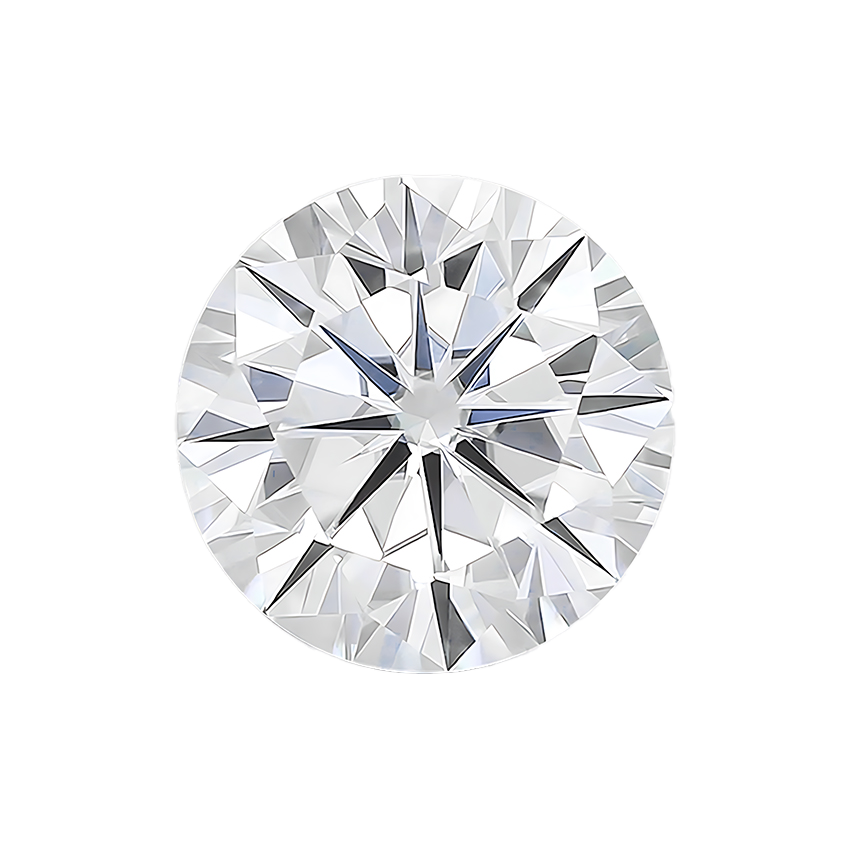
Here's what nobody tells you upfront: lab grown diamonds are chemically identical to mined diamonds. Same sparkle, same hardness, same forever. The only difference? One came from a lab, the other from a mine. And for couples who care about where their money goes, that distinction matters more than any certificate.
Step 1: Understand What "Ethical" Actually Means
The word gets thrown around a lot. Let's cut through the noise.
Conflict-free means your diamond didn't fund armed groups. Sustainable diamond alternatives go further—they consider environmental impact, worker conditions, and carbon footprint. Lab grown diamonds check both boxes by default. No earth-moving operations, no displacement of communities, no questionable supply chains stretching across war-torn regions.
Jewelers sometimes push "conflict-free" mined diamonds as equally ethical. Here's the truth: even with Kimberley Process certification, tracking a mined diamond from rough stone to finished ring is nearly impossible. Lab grown? The supply chain is short, transparent, and documented.
Practical tip: Ask any jeweler for the diamond's origin documentation. With lab grown, you'll get it. With mined, you'll get vague assurances.
Step 2: Know Your Sustainable Diamond Alternatives
Not all lab grown diamonds are created equal. You have two main production methods to consider:
HPHT (High Pressure High Temperature)
HPHT mimics natural diamond formation deep underground. These diamonds often have metallic inclusions but can achieve exceptional color grades. They're typically less expensive.
CVD (Chemical Vapor Deposition)
CVD builds diamonds layer by layer in a plasma chamber. CVD diamonds usually have fewer inclusions and are preferred for larger stones. They cost slightly more but offer better clarity.
Both are real diamonds. Both are ethical engagement rings lab grown options. The difference is manufacturing method, not quality.
Practical tip: For stones under 1.5 carats, HPHT offers better value. For larger center stones, CVD's clarity advantages become noticeable.
Step 3: Navigate the Certification Maze
Every legitimate lab grown diamond should come with a grading report. Here's what matters:
IGI (International Gemological Institute)
IGI currently grades the majority of lab grown diamonds. Their reports are reliable and widely accepted. Look for IGI certification when shopping.
GIA (Gemological Institute of America)
GIA also grades lab grown diamonds but uses slightly different terminology. Both are trustworthy—just don't pay extra for one over the other.
The report should specify "laboratory grown" prominently. This isn't a drawback; it's transparency. It also protects your investment by clearly documenting what you're buying.
Practical tip: Always verify the certificate number on the grading institute's website before purchasing. Counterfeit reports exist, especially with online sellers.
Step 4: Choose Your Conflict Free Lab Created Diamonds Setting
The diamond is only half the story. The metal and setting complete your ethical engagement ring.
Recycled Gold and Platinum
Recycled gold and platinum are the standard for sustainable jewelry. They require no new mining and perform identically to newly extracted metals. Most ethical jewelers offer recycled options at no premium.
Setting Styles
Setting styles affect how your diamond appears:
- Solitaire: Classic, maximizes light return, shows off the stone
- Halo: Surrounds center stone with smaller diamonds, creates larger visual impact
- Three-stone: Symbolizes past, present, future; offers more finger coverage
- Bezel: Metal rim surrounds the diamond, most protective for active lifestyles
Practical tip: If your partner works with their hands, choose a low-profile setting. High settings snag on everything and increase damage risk.
Step 5: Budget Without the Guilt Trip
Here's where ethical engagement rings lab grown options truly shine. You can get 30-40% more diamond for your budget compared to mined stones.
Real numbers: A 1-carat mined diamond with G color and VS2 clarity might cost $5,000-$6,000. The equivalent lab grown? $3,000-$3,500. That's not a small difference—that's upgrading your center stone or adding a wedding band.
Some worry that lower prices mean lower quality. The opposite is true. Lab grown diamonds often have better clarity because growth conditions are controlled. You're paying less because the supply chain is shorter, not because the product is inferior.
Practical tip: Decide your maximum budget first, then shop. Lab grown's price advantage means you'll likely have options you didn't expect.
Step 6: Vet Your Jeweler (Even the "Ethical" Ones)
Not every store selling conflict free lab created diamonds operates ethically. Greenwashing is real in this industry.
Red flags to watch for:
- Vague claims about "sustainable practices" without specifics
- Pressure to buy immediately ("this stone won't last")
- No return policy or extremely short windows
- Reluctance to provide certification details
- Prices that seem too good to be true (they usually are)

