

















 Back
Back


How to Choose the Perfect Engagement Ring: A Complete Guide for Modern Couples
2026-04-03 01:16:52
You've probably already done some scrolling. Maybe at 11 PM, phone in hand, zooming in on rings you'll forget by morning. The options feel endless—solitaires, halos, vintage cuts, lab-grown, natural, yellow gold, platinum—and somewhere in the middle of it all is the person you want to wear this for the rest of their life.
Look, choosing an engagement ring isn't about memorizing the 4Cs or becoming a gemologist overnight. You need to make five practical decisions. That's it. This guide walks you through each one, with advice you can actually use.
Step 1: Figure Out the Shape
The diamond shape changes everything about how the ring looks and feels. Most people default to round because it's familiar, but that's not your only option—and honestly, it might not be the best one.
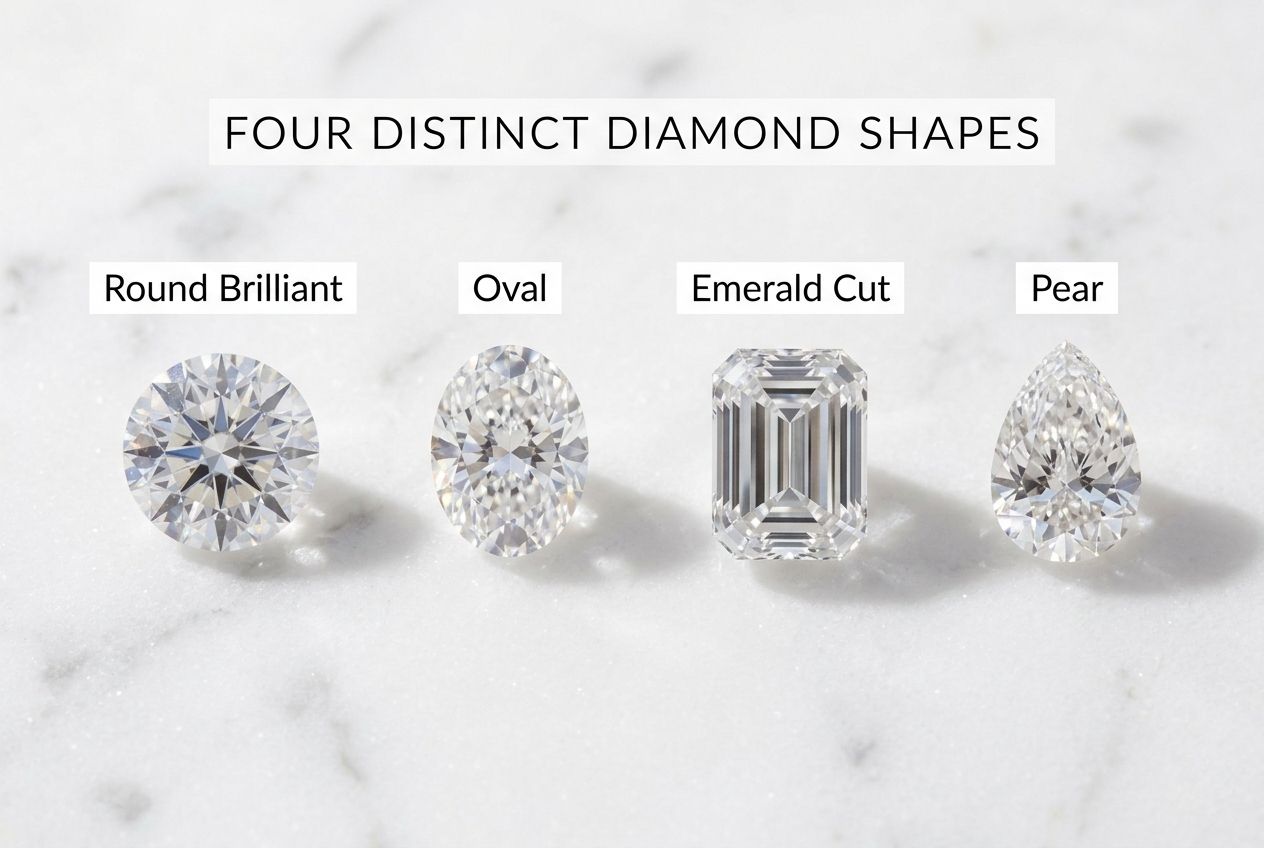
Round Brilliant
Round Brilliant is still king for a reason: it sparkles like crazy. If your partner loves classic pieces and doesn't mind that their ring looks like a lot of others, this works.
Oval and Elongated Cushion
Oval and Elongated Cushion have blown up lately because they look bigger than round diamonds of the same carat weight. They also make shorter fingers look longer. The catch? Those pointed ends on ovals can chip if you're not careful, so you need a setting that protects them. I watched a guy in a store last month learn this the hard way when the jeweler showed him a chipped oval they'd just repaired.
Emerald and Asscher cuts
Emerald and Asscher cuts are for people who'd rather have clean lines than blinding sparkle. These step-cut diamonds have fewer, larger facets that flash light instead of scattering it everywhere. They're sophisticated, a bit architectural, and way less common—which might be exactly what you want.
Here's what I'd do: look at the jewelry they already wear. Do they pick delicate, intricate pieces or bold, geometric ones? Round and oval suit the first group; emerald and Asscher suit the second. It's not rocket science.
Step 2: Choose the Setting Style
The setting does more than hold the stone. It changes how the ring sits on the hand, how high it sticks up, and whether it'll snag on everything they own.
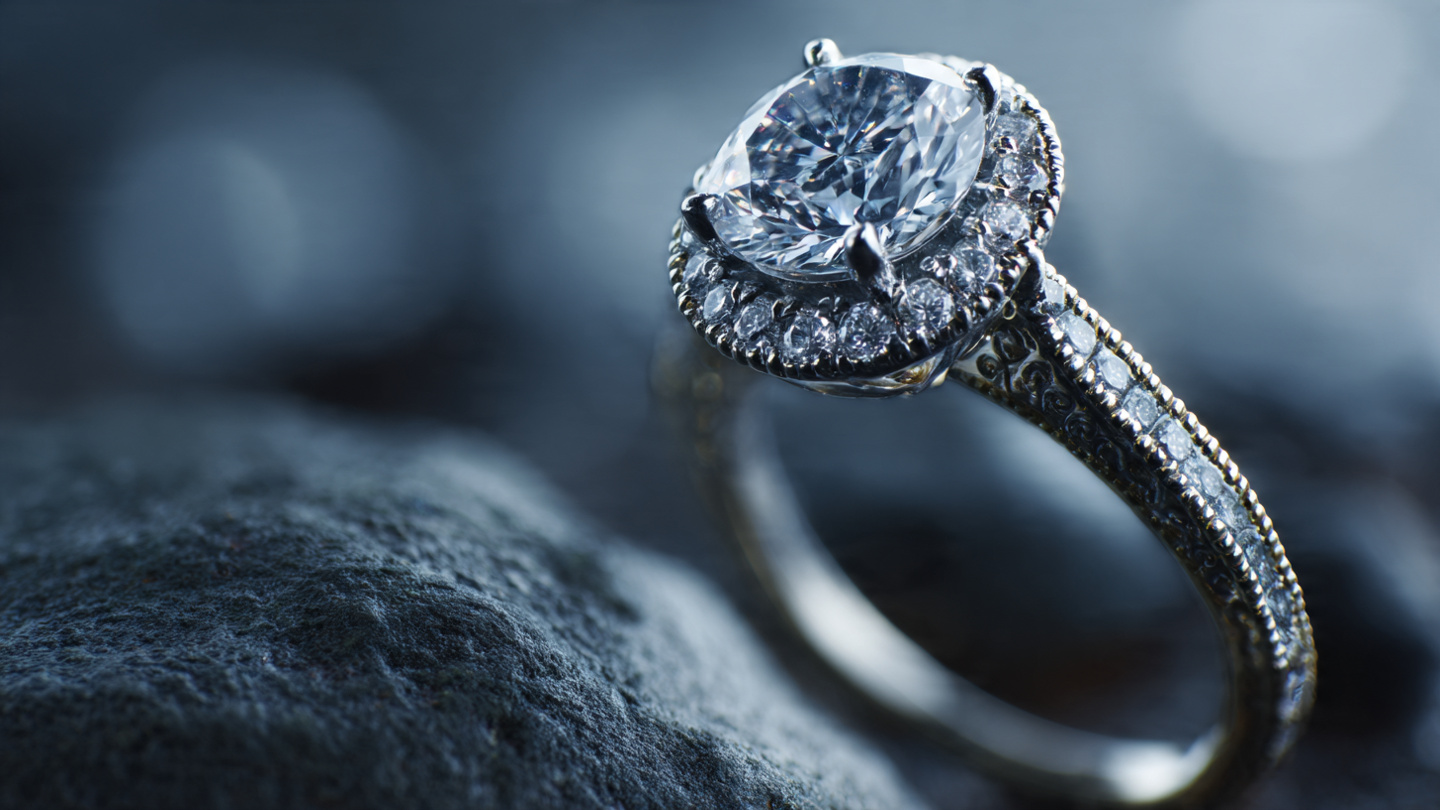
Solitaire
Solitaire is the minimalist move: one stone, simple band, nothing to distract. It works with every shape and never looks dated. The downside? That center stone is completely exposed, so it gets dirty faster and takes more of a beating.
Halo Settings
Halo settings wrap the center stone in smaller diamonds, which adds sparkle and makes the main stone look bigger. Smart move if your budget doesn't stretch to the carat size you wanted. Just know halos need more maintenance—those tiny stones can work loose over time. One jeweler told me halos account for about 30% of their repair business.
Three-Stone Rings
Three-stone rings have that whole "past, present, future" thing going for them. They're balanced and work great with elongated shapes like oval or emerald. The side stones don't even have to match the center exactly—some of the coolest designs mix shapes or even stone types.
Think about their actual life. If they type all day, garden on weekends, or work with their hands, a low-profile setting beats some tall cathedral style that catches on everything. Comfort matters more than people realize until they're wearing it every day.
Step 3: Pick the Metal
Platinum, white gold, yellow gold, rose gold—each one behaves differently in real life, not just in photos.
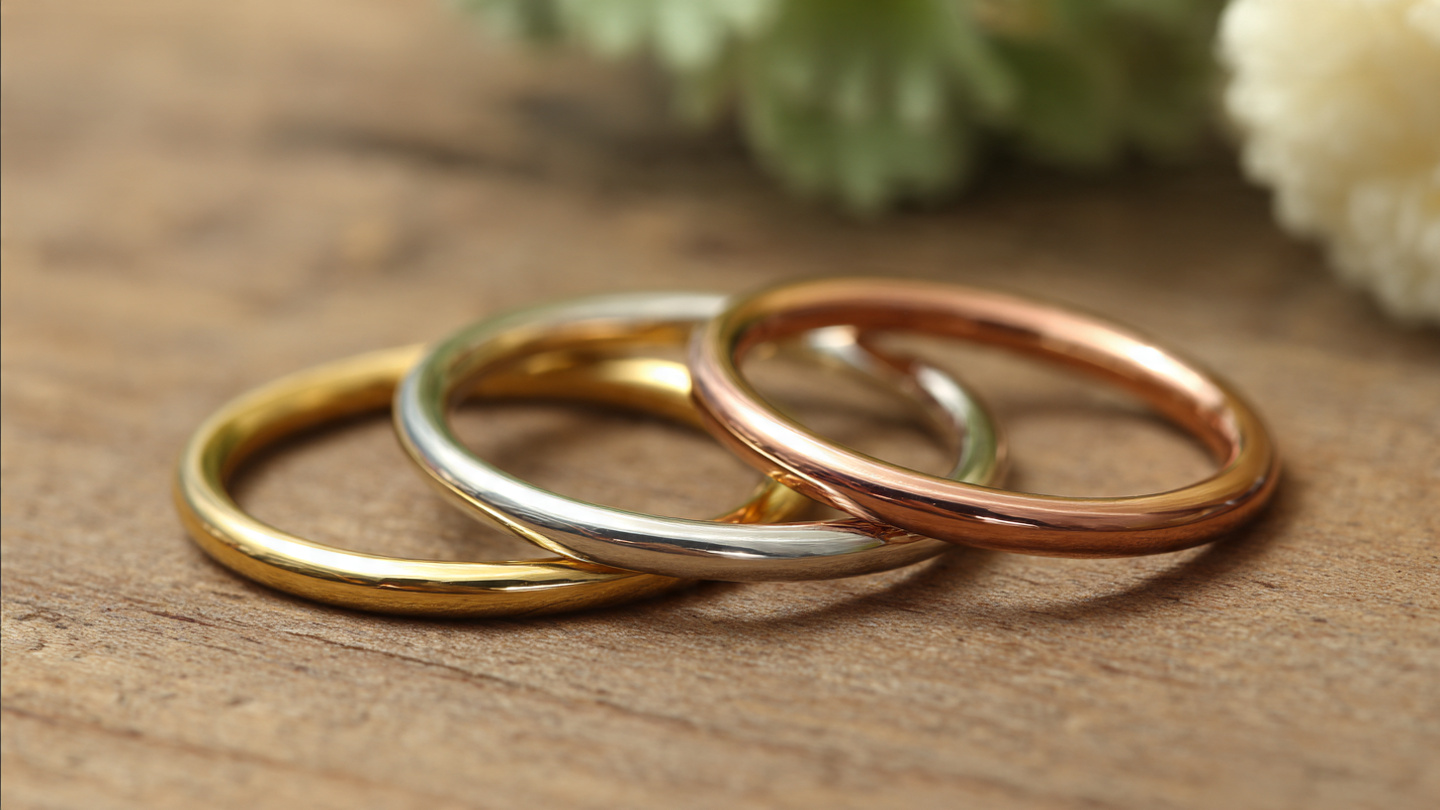
Platinum and White Gold
Platinum is tough as nails. It doesn't wear away; it just moves around. A platinum ring will outlast you, though it develops this soft, matte patina over time. Some people love that lived-in look, others want it polished back to mirror finish. It's also hypoallergenic, which matters more than you'd think—I've seen people develop rashes from white gold after years of wearing it no problem.
White gold looks exactly like platinum when it's new but costs way less. Here's the thing though: it's rhodium-plated, and that plating wears off. You're looking at replating every 1-2 years depending on how hard they are on their hands. Factor that maintenance into your decision, because it adds up.
Yellow and Rose Gold
Yellow gold is back in a big way, especially with vintage-inspired designs. It's actually the most forgiving metal if you're buying a diamond with slight color tinting—those K-M grades that cost less. The warm metal hides the warmth in the stone. It's a legit budget hack that most people don't know about.
Rose gold falls somewhere between yellow and white for durability. The copper content makes it stronger than yellow gold but not quite as tough as white. That pinkish tone looks good on pretty much everyone and reads romantic without being overly girly.
One more thing: if they wear a watch or other jewelry every day, try to match the metal. Mixed metals can work, but most people prefer things to coordinate.
Step 4: Decide on Lab-Grown vs. Natural
This used to be simple—natural diamonds were the only game in town. Now lab-grown gives you an alternative that's chemically identical, looks exactly the same, and typically runs 30-40% cheaper.
Natural diamonds still have that rarity thing going for them, plus tradition. They hold resale value better (not that anyone actually sells their engagement ring), and some people just want to know their stone came from the earth. If your partner cares about that stuff or specifically wants natural, there's your answer.
Lab-grown diamonds are real diamonds. Same crystal structure, same optical properties, same hardness. The only difference is where they came from—one took billions of years underground, the other took a few weeks in a lab. For couples watching their budget or worried about environmental stuff, lab-grown lets you get a bigger, better stone for the same money.
Don't make this call alone though. The ring is for them, and people have surprisingly strong feelings about this one. If you're not sure, natural is the safer bet—though more and more, younger buyers are specifically asking for lab-grown. I heard a jeweler in LA say about 60% of their under-30 customers want lab-grown now.
Step 5: Set Your Budget
You've probably heard that "two months' salary" thing. Forget it. Some marketing team dreamed that up in the 1980s to sell more diamonds. It has nothing to do with what you should actually spend.
The right budget is whatever lets you buy a ring you're proud to give without eating ramen for six months. For some people that's $2,000. For others it's $20,000. Both are fine.
How to stretch your money further:
- Put your money into cut quality before carat size. A well-cut smaller diamond outsparkles a badly cut bigger one every time. I've seen 0.7-carat stones that look better than 1-carat stones because of cut.
- Look at near-colorless grades—G-H instead of those premium D-F grades. You literally cannot see the difference without magnification, but your wallet definitely can.
- VS1-VS2 clarity is the sweet spot. These stones have inclusions, but you need a jeweler's loupe to find them. To the naked eye they're flawless, and they're way cheaper than VVS or internally flawless grades.
- Buy just under round numbers. A 0.9-carat diamond costs significantly less than 1.0 carat, and nobody can tell the size difference. The jewelry industry calls these "magic sizes" and they price them accordingly.
One piece of advice from someone who's watched this happen too many times: decide your absolute max before you walk into any store. Salespeople are trained to show you rings just above your budget. Know your ceiling and don't budge.
What Happens Next
Once you've worked through these five things—shape, setting, metal, stone type, and budget—you're not just ready to shop. You're ready to shop smart. You'll know what to ask for, what to skip, and when you've actually found the right ring.
The perfect engagement ring isn't the most expensive one or the trendiest one. It's the one that fits the person wearing it—their style, their actual life, and whatever story you're trying to tell.
At Aurelia Vive, we make engagement and wedding rings for couples who care more about timeless design than whatever's trending on Instagram right now. Whether you want something minimalist or vintage-inspired, our pieces are built to last—like, actually last.
Start with what matters. Everything else falls into place.
Ready to find the ring? Browse our collection or book a consultation if you want to talk custom options.