



















 Back
Back


What Your Ring Style Says About You
2026-04-02 22:05:50
What Your Ring Style Says About You
You've been scrolling through Pinterest at midnight, saving ring photos to a board you hope nobody finds. Maybe you're the one doing the proposing, or maybe you're dropping hints the size of billboard signs. Either way, you're drowning in options—round vs. oval, solitaire vs. halo, white gold vs. platinum—and somewhere along the way, you started wondering: does any of this actually mean anything?
Here's the truth: engagement ring personality types are real. Jewelers see it every day. The woman who walks in knowing exactly what she wants usually gravitates toward the same shapes, settings, and metal combinations. And the ones who "just want to browse"? They often end up with rings that perfectly match their temperament, even when they can't articulate why.
This guide breaks down what your diamond shape says about you—and how to use that knowledge whether you're buying for yourself or trying to decode someone else's style.
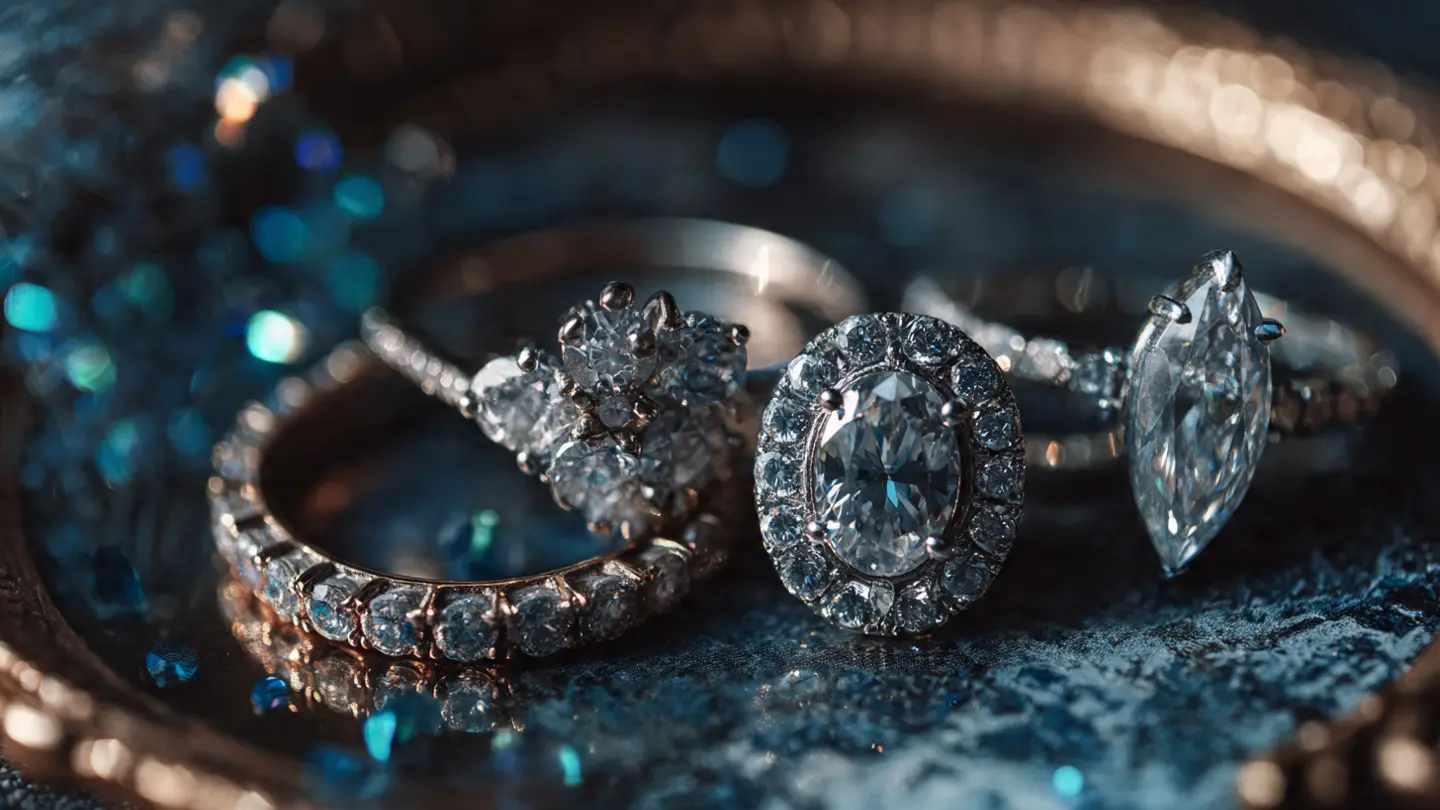
The Round Brilliant
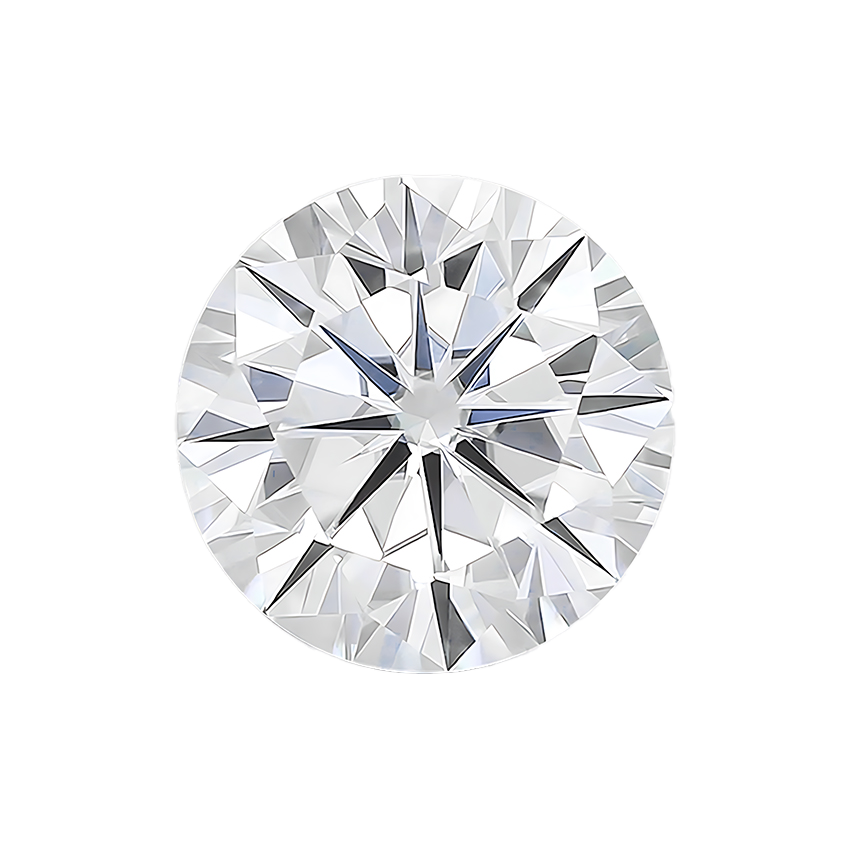
Walk into any jewelry store and roughly 60% of the engagement rings sold are round brilliant cuts. There's a reason for that. This shape maximizes light return better than any other, which means more sparkle per carat. But the people who choose it aren't just following trends.
What it says about you
You value tradition, but not in a stuffy way. You want something that will look just as good at 80 as it does at 30. There's a practical streak here too—round diamonds hide inclusions better than fancy shapes, so you can prioritize cut quality and save on clarity.
The industry insight jewelers don't always mention
Round brilliants command a premium (about 20-30% more per carat than ovals or pears) because more rough diamond is lost during cutting. If budget matters, going slightly smaller on a round often looks better than going bigger on a lower-quality fancy shape.
Practical tip
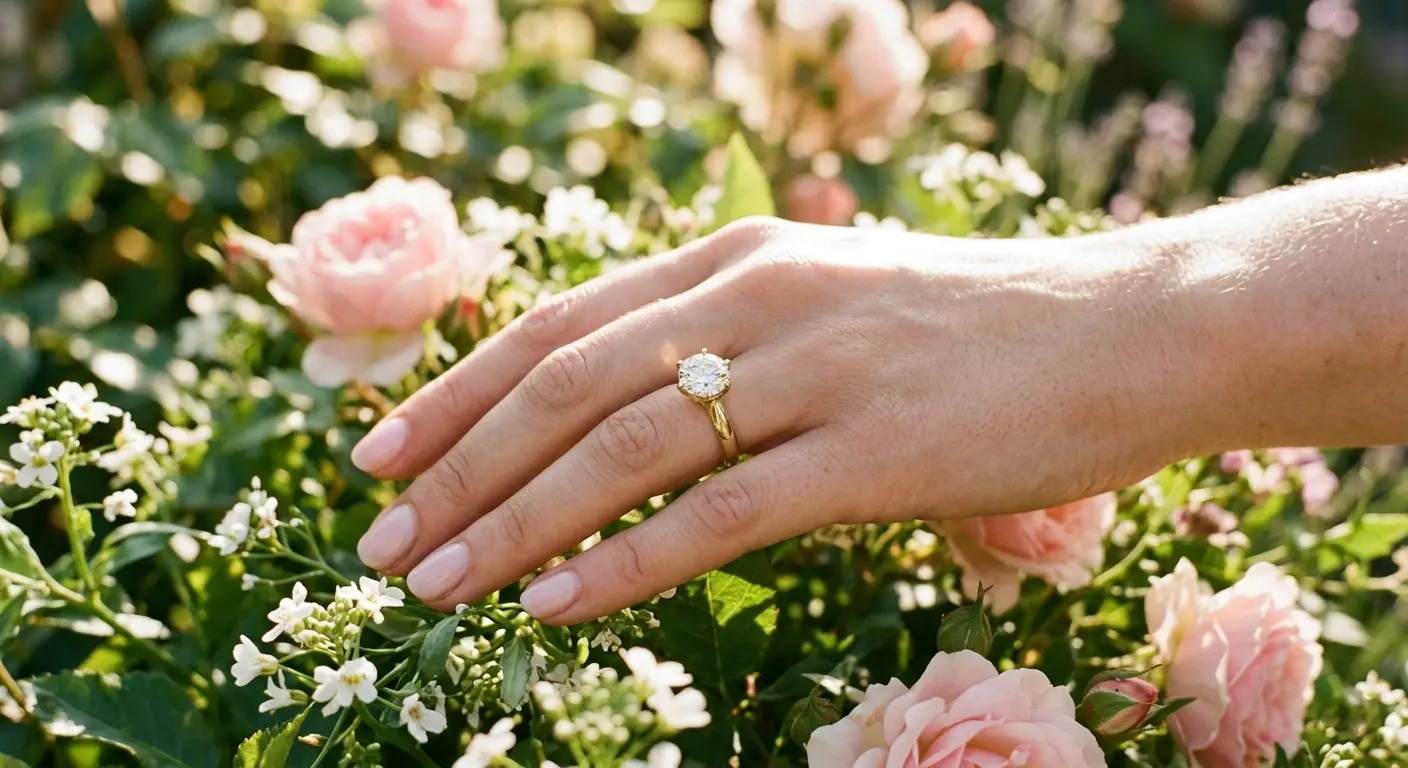
- ALT: A classic round brilliant cut diamond solitaire engagement ring in yellow gold.
The Oval
Oval diamonds have exploded in popularity over the past five years, and they're not going anywhere. They elongate the finger, look larger than rounds of the same carat weight, and have a certain effortless cool that rounds can't quite match.
What it says about you
You're confident enough to skip the obvious choice. You follow fashion but don't let it dictate your decisions. There's a good chance you own at least one vintage piece and you definitely have opinions about interior design.
The catch nobody talks about
Ovals almost always show a bow-tie effect—a dark shadow across the center that looks like, well, a bow tie. Some are subtle. Some are glaring. This isn't on the certificate, so you have to see the actual stone or high-quality video.
Practical tip
When shopping ovals, prioritize length-to-width ratios between 1.3 and 1.5. Too skinny looks fragile. Too round defeats the purpose. And always inspect for that bow-tie before you buy.
The Cushion Cut
Cushion cuts have been around for nearly 200 years, though they've evolved from the old mine cut to the more brilliant modern versions. They're square or rectangular with rounded corners—like a pillow, hence the name.
What it says about you
You want beauty without drama. Cushion wearers tend to be the friends everyone confides in, the ones who host Thanksgiving and remember birthdays. If you're looking for the best ring style for romantic personality types who prioritize comfort and warmth, this is it.
The trade-off
Cushions face up smaller than rounds and ovals of the same carat weight. A 1-carat cushion looks closer to a 0.85-carat round. If size matters to you, budget for a slightly larger stone or consider a halo setting to add visual spread.
Practical tip
Crushed ice cushions (more facets, more sparkle) vs. chunky cushions (larger facets, bigger flashes of light) create completely different looks. Decide which vibe fits you before you start shopping.
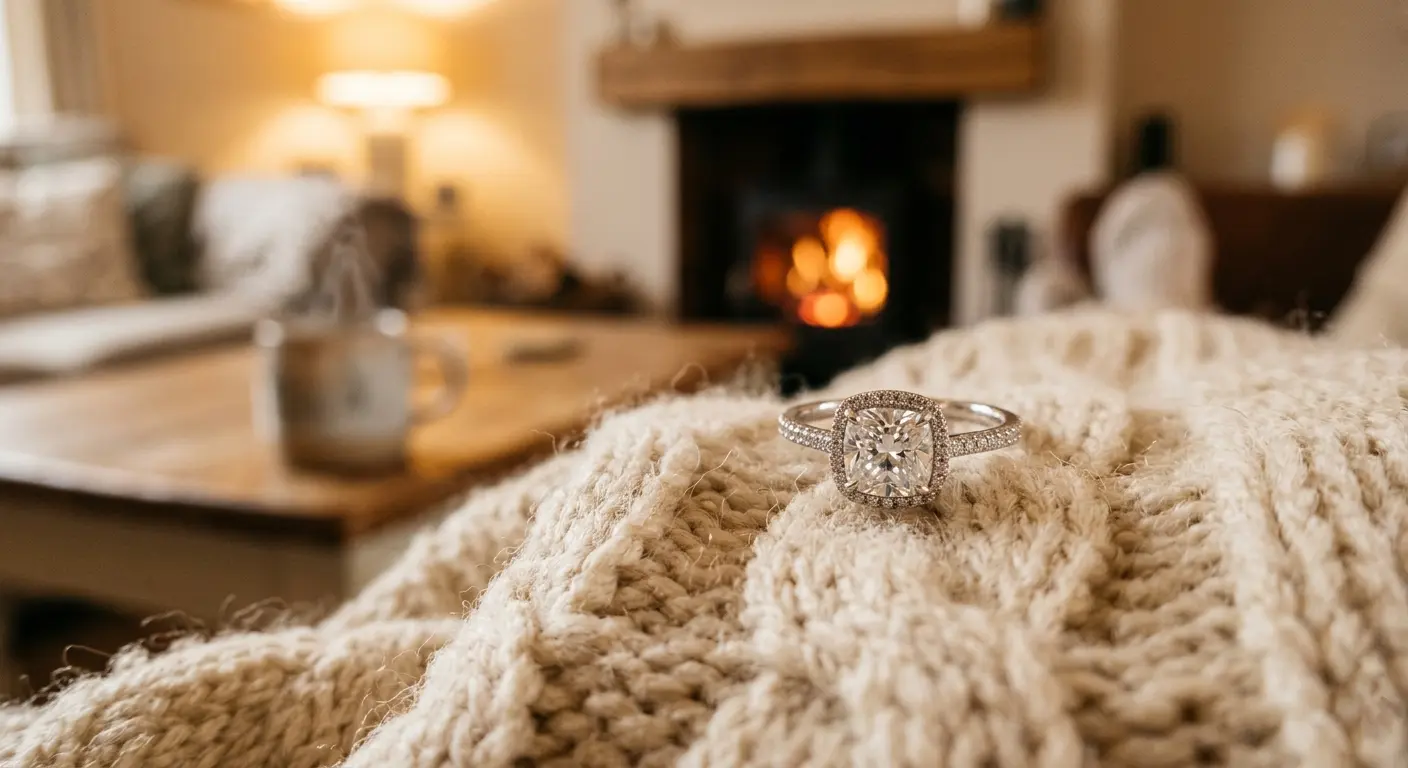
The Emerald Cut
Emerald cuts are step-cut rectangles with cropped corners. They don't sparkle—they flash. Light moves across them in broad, dramatic planes rather than tiny pinpricks. They're also completely unforgiving of inclusions because there's nowhere for flaws to hide.
What it says about you
You don't need validation from strangers. You're drawn to architecture, clean lines, and quality over quantity. There's a 70% chance you own a blazer that actually fits and you know your wine preferences without hesitation.
The real talk
Emerald cuts demand higher clarity grades than brilliant cuts. VS2 or higher is the safe bet, and VVS2 if you want to be certain. Color matters more too because the large table (flat top) shows tint easily. Stick to G color or better.
Practical tip
Emerald cuts look stunning in bezel or channel settings that protect those vulnerable corners. If you lead with your hands or work with them, skip the delicate prong settings.
The Pear Shape
Pears are exactly what they sound like: teardrop-shaped diamonds that combine the round brilliant's sparkle with the marquise's elongation. They're dramatic, distinctive, and polarizing—which is exactly why certain people love them.
What it says about you
You're not afraid to be noticed. You probably have a creative career or serious creative hobbies. There's a good chance you've already designed the wedding in your head, down to the flowers and playlist.
The complication
Pears have a point. That point is fragile and prone to chipping. They also have a definite "up" and "down"—wear it point-up toward your fingernails, or point-down toward your wrist. Both work, but the choice matters for the setting design.
Practical tip
Look for symmetry in the shoulders (the curved sides). A lopsided pear looks obviously wrong. And budget for a V-prong setting at the point—it's non-negotiable for durability.

How to Choose a Ring Based on Personality: The Decision Framework
Still torn? Here's a four-step process that cuts through the noise:
1. Observe Their Existing Jewelry
Not what they say they like—what they actually wear. Yellow gold necklace they never take off? They're probably not a platinum person. Stack of delicate rings? Avoid chunky settings. Statement earrings for special occasions? They can handle a bolder stone shape.
2. Consider Their Daily Reality
A surgeon can't wear a ring that catches on gloves. A rock climber needs low-profile settings. Someone who types 10 hours a day will feel a tall setting. The most beautiful ring is the one that actually gets worn.
3. Match the Metal to Their Skin Tone
This isn't about rules—it's about what makes the diamond pop. Cool undertones (veins look blue, silver jewelry looks better than gold) favor white gold and platinum. Warm undertones (green veins, gold looks better) shine in yellow or rose gold. Neutral? You have options, but white metals are the safe default.
4. Set a Budget Anchor Before You Look
Decide your number, then look at rings. Not the other way around. The jewelry industry is very good at making you stretch "just a little more." Know your limit and shop within it. A beautiful ring exists at every price point.
The Bottom Line
Your ring is going to be on your hand every single day for decades. That's longer than most cars, most apartments, and definitely longer than most trends. So while it's worth understanding engagement ring personality types and what your diamond shape says about you, the final answer is simpler than the internet makes it seem:
Pick what you love. Pick what feels like you. The rest is just details.
And if you're still stuck? Go try some on. Nothing beats the clarity of seeing it on your actual hand. Most jewelers expect this—it's not like car shopping where you need a strategy. Walk in, be honest about your budget, and let them show you options. The right ring has a way of finding you.

