





















 Back
Back


Diamond vs. Gemstone Engagement Rings: What to Consider (And Why Your Gut Feeling Actually Matters)
2026-03-27 22:54:42
Diamond vs. Gemstone Engagement Rings: What to Consider (And Why Your Gut Feeling Actually Matters)
You've been scrolling for hours. Maybe it's 11 PM, your partner's asleep, and you're secretly comparing a diamond solitaire against that moody blue sapphire you can't stop thinking about. The photos look great either way, but the questions keep piling up: Will a gemstone hold up? Is this just about money? And honestly—will you regret not going "traditional" ten years from now?
Take a breath. The anxiety? Everyone feels it. This decision isn't about finding the "perfect" ring. It's about finding the one that makes sense for your life, your values, and yeah, your budget. Let's walk through what actually matters.
Step 1: The Everyday Wear Reality Check
Here's what nobody tells you upfront: your ring is about to become the most-worn thing you own. Durability isn't a nice-to-have—it's essential.
The Hardness Thing
Diamonds sit at 10 on the Mohs scale. They've earned their rep. A well-set diamond can take decades of hand-washing, gym sessions, accidental knocks, and still look untouched.
But here's what most stores won't say: hardness isn't everything. Sapphires and rubies rank 9—one point below diamond. For everyday wear? That difference barely matters. I've seen 30-year-old sapphire rings that look as crisp as day one. The real issue isn't the stone—it's the setting and how rough you are with it.
Gemstones That Can Handle Real Life
- Sapphires (all colors): Tough enough for daily wear, look killer in natural light
- Rubies: Same mineral family as sapphires, just as durable
- Emeralds: Beautiful but softer (7.5-8)—need more care
- Morganite, aquamarine, topaz: Pretty but scratch over time
If you work with your hands—nurse, chef, mechanic—sapphire or diamond are your safest bets. Emerald can work, but you'll need to take it off during rough stuff.
Step 2: Diamond vs Sapphire Durability—The Real Data
Let's get specific about sapphire since it's the most common alternative.
| Factor | Diamond | Sapphire |
| Mohs Hardness | 10 | 9 |
| Chipping Resistance | Excellent | Very Good |
| Scratch Resistance | Basically immune | Highly resistant |
| Long-term Clarity | Stays perfect | Stays good with care |
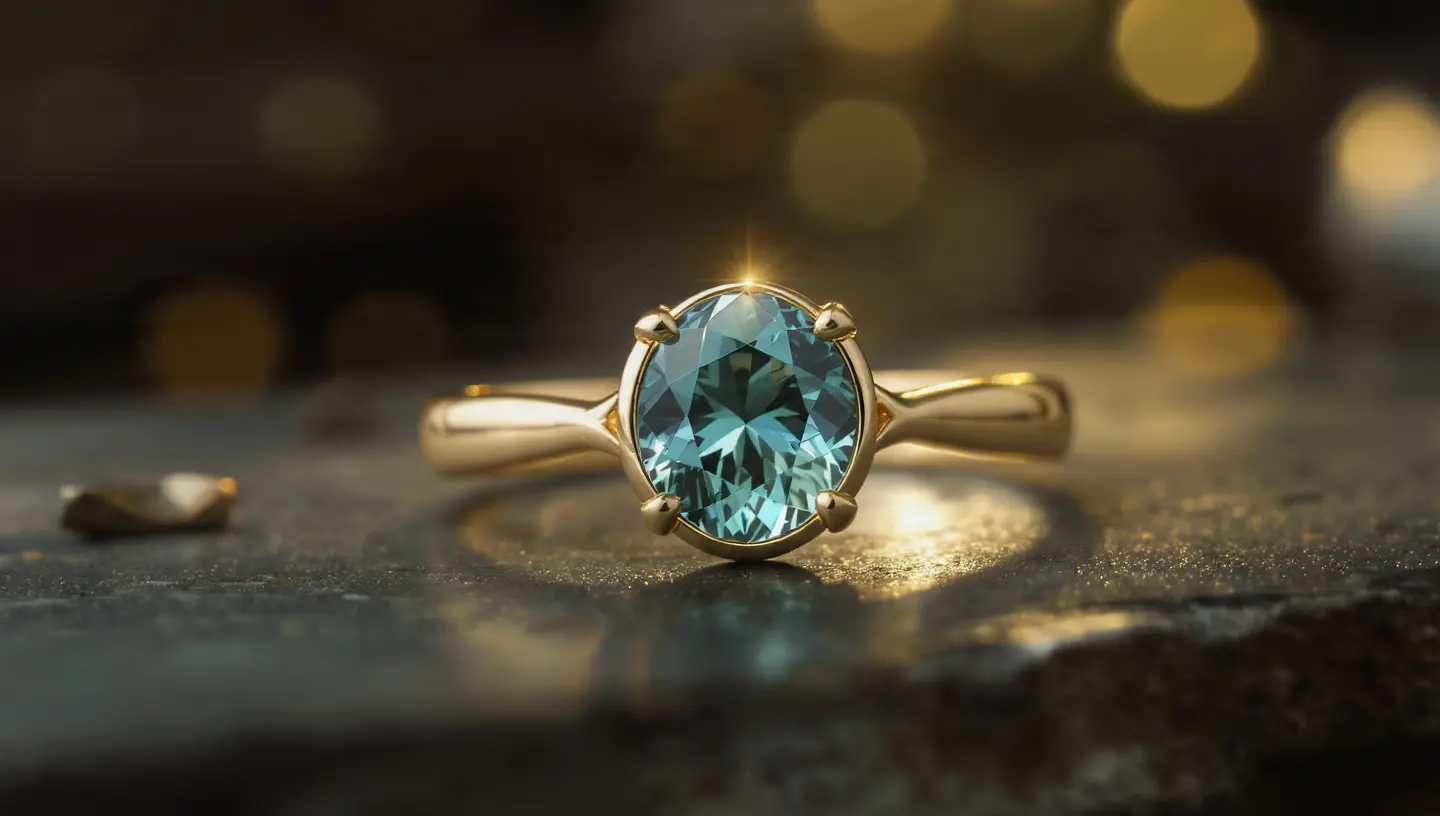
Jeweler's insight: In 15 years, I've seen more diamonds chipped than sapphires. Why? People think diamonds are indestructible and get careless. Sapphires don't have that reputation, so owners treat them better. Your habits matter more than the specs.
Sapphires can get surface scratches over decades if you're rough on them. But a professional polish every few years fixes that completely. Diamonds don't scratch, but they can chip at vulnerable points. Neither is "better"—they just act different.
If you go with sapphire, consider a bezel or halo setting. Adds protection without hiding the stone.
Step 3: Price Comparison—What $5,000 Actually Gets You
Let's talk money because pretending it doesn't matter is dumb. It matters.
| Option | Size/Quality | Visual Impact |
| Diamond (G-H, VS) | 0.7-0.8 carat | Classic, sparkly |
| Sapphire (high quality) | 1.5-2 carat | Bold, saturated color |
| Ruby (fine) | 1-1.5 carat | Dramatic, red |
| Morganite | 2+ carat | Soft pink, romantic |
| Moissanite | 1.5 carat | Super sparkly |
Jeweler's insight: The price gap isn't just rarity—it's marketing. De Beers spent a century convincing everyone "diamonds are forever." That story costs money. Gemstones don't have that ad budget, so you get more visual bang for your buck. But here's my honest take: if you love diamonds, don't settle for a gemstone just to save cash. You'll always wonder "what if." And if color calls to you, don't force a diamond because you think you "should."
Hidden Costs
- Diamonds: Hold value, easier to insure, easier to resell
- Sapphires/Rubies: Insurance varies; high-end ones actually appreciate
- Softer gems: Might need re-polishing or replacement eventually
Set your budget first, then look within it. A smaller, killer sapphire often feels better than a bigger, mediocre diamond.
Step 4: Budget-Friendly Alternatives Beyond the Obvious
If budget's tight, you've got more options than you think. "Budget-friendly" doesn't mean "looks cheap."
Lab-Grown Diamonds
Same stuff as mined diamonds, 40-60% cheaper. Only difference? Where it came from. Want the diamond look without the price? Done.
High-Quality Sapphires
Not the pale, washed-out ones you might be picturing. I'm talking velvety blue Ceylon sapphires or rich teal Montana stones. These have presence. They turn heads. Way cheaper than comparable diamonds.
Colored Moissanite
Yeah, moissanite comes in colors now. Gray and teal varieties look modern and unexpected. Super durable (9.25 Mohs), fraction of the cost.
Salt-and-Pepper Diamonds
These "imperfect" diamonds with visible inclusions are huge right now. Technically diamonds, but their unique look means lower prices. Each one's one-of-a-kind.
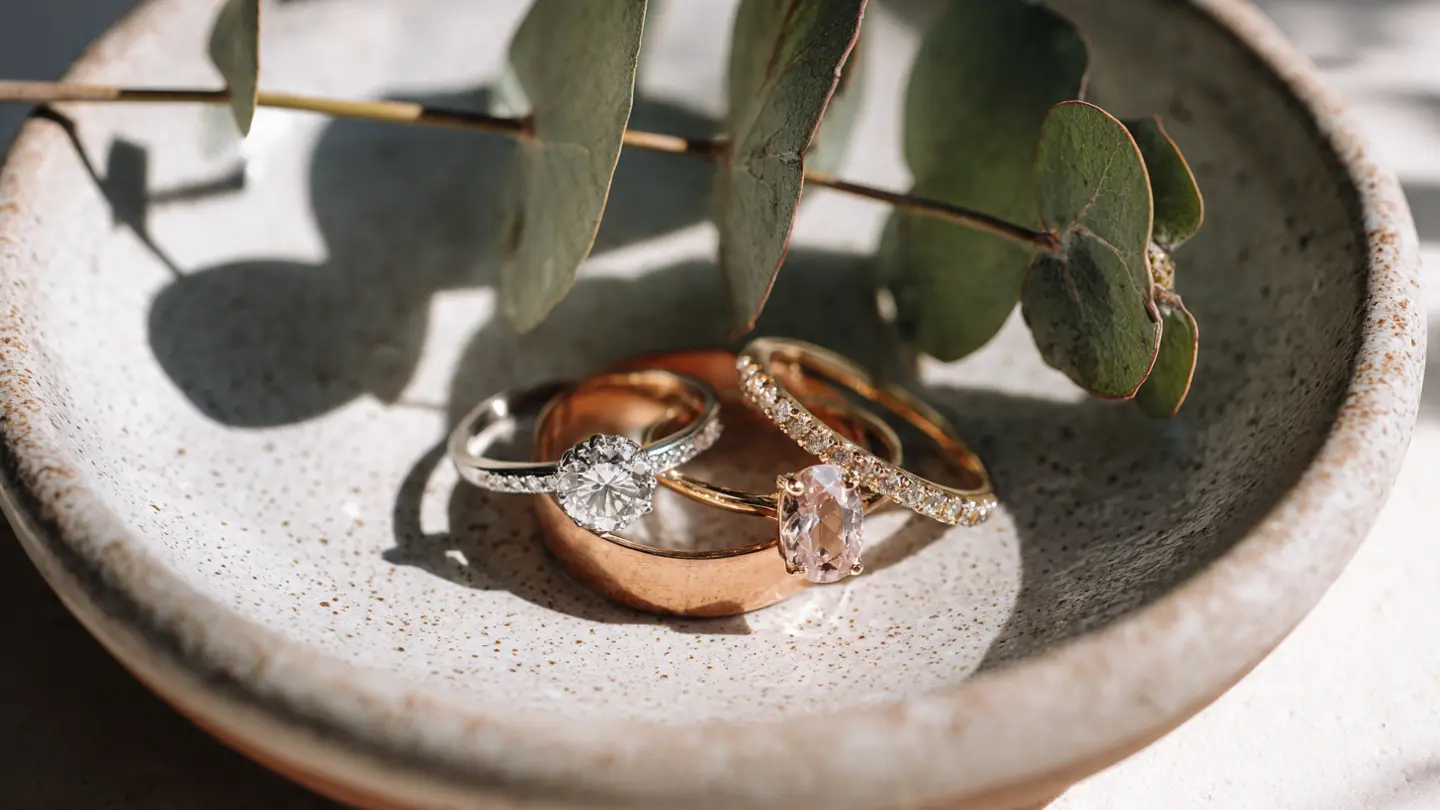
Jeweler's insight: Best budget hack nobody mentions? Vintage and estate rings. You can find killer Art Deco sapphire pieces or mid-century diamonds for 30-50% less than new. Plus you're recycling instead of supporting new mining. Win-win.
Before buying any alternative stone, ask: "Can this be reset later if I upgrade?" Some softer gems are harder to work with, limiting future options.
Step 5: Making the Decision—Three Questions That Actually Help
You've got the facts. But facts don't decide—you do. Here's how to cut through the noise:
Three questions to ask yourself:
- "What does my actual day look like?" Desk job and dinners? Any stone works. Rock climbing and pottery? Stick to diamond or sapphire.
- "What am I drawn to when I'm not overthinking?" Check your Pinterest, your jewelry box, your saved posts. See a pattern? Trust it.
- "Will I care about this in 20 years, or am I stressed about it right now?" The "shoulds" are loud. But this ring is for future you, not anyone else's approval.
Jeweler's insight: The happiest clients long-term aren't the ones with the biggest diamonds or rarest sapphires. They're the ones who picked what felt like them. I've seen women with flawless 2-carat diamonds who secretly wish they'd gone with the teal sapphire that made their heart skip. And I've seen sapphire wearers who later upgraded to diamond because they wanted that traditional vibe. Both are fine. The mistake is choosing based on someone else's values.
The Bottom Line: Your Ring, Your Rules
Here's the messy truth: there's no wrong choice. A diamond isn't "better" than a sapphire. A sapphire isn't "more unique" than a diamond. What matters is alignment—stone, lifestyle, budget, your personal style.
The ring you pick becomes part of your story. It'll be in engagement photos, wedding pics, anniversaries. It'll be there when you wash dishes, type emails, hold hands. So pick what feels right when you imagine all that—not what checks the most spreadsheet boxes.
Your next steps:
- Set your budget (and stick to it—there's always something pricier)
- Go see rings in person—photos lie, your hands know what works
- Try on both—even if you think you've decided
- Sleep on it—good decisions don't need rushing
- Buy from somewhere reputable with returns and certification
And remember: the person who loves you won't love you more based on what's on your finger. The ring's just metal and stone. The real value is what it represents—and that part's already priceless.

