





















 Back
Back



Simple vs. Classic Engagement Rings: Which Is Right for You?
2026-03-24 21:56:17
Simple vs. Classic Engagement Rings: Which Is Right for You?
You've been staring at ring photos for three weeks. Your browser history is a graveyard of diamond comparison charts. And every time you think you've decided, a new question pops up: Should it be simple or classic? What's the difference anyway?
Take a breath. Choosing between simple vs classic engagement rings isn't about memorizing jewelry terminology—it's about figuring out what fits your actual life. This guide breaks down the real differences, shows you when each style works best, and gives you a clear path forward. No endless research required.
Step 1: Understand What "Simple" Actually Means
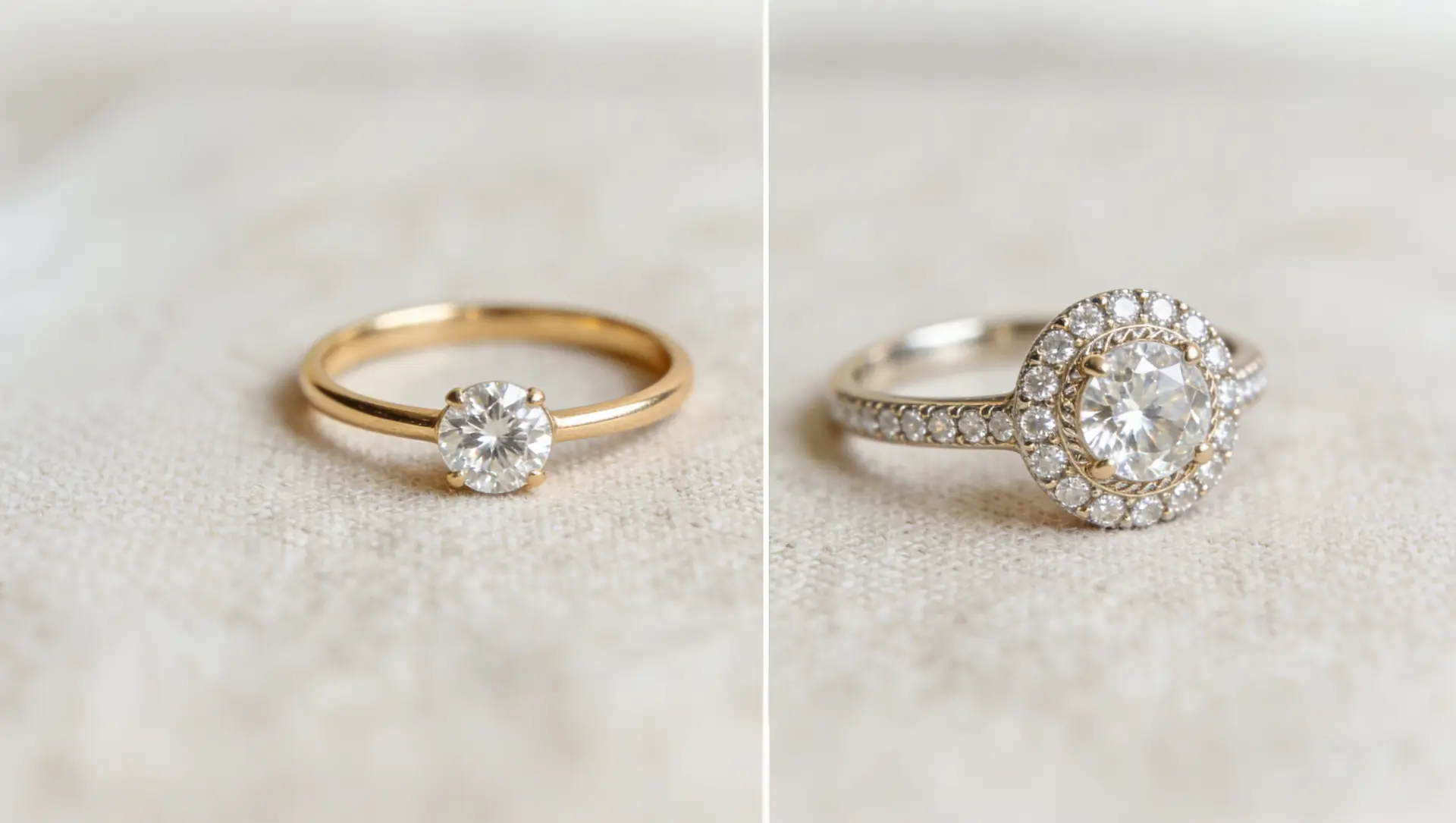
Walk into any jewelry store and ask for something "simple." You'll get ten different answers. Here's the truth: in the jewelry industry, "simple" typically means minimal metalwork, clean lines, and a focus on the center stone without elaborate side details.
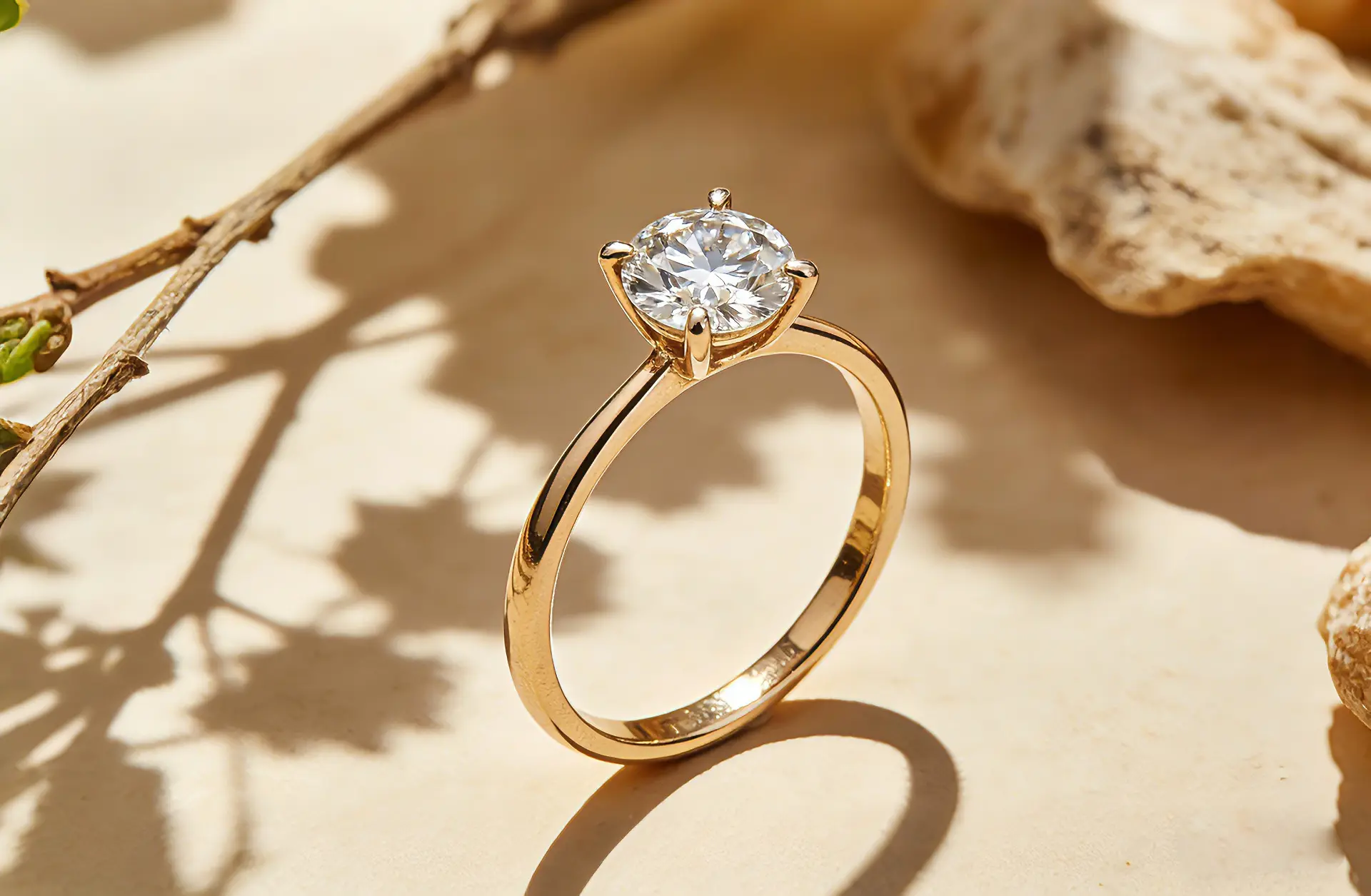
Think of a solitaire setting with a thin band. No pavé diamonds crawling up the shank. No intricate gallery work underneath. Just the stone, held securely, doing all the talking.
When simple works best:
- Active lifestyles: Nurses, fitness instructors, mechanics—anyone who uses their hands constantly
- Minimalist aesthetics: If your closet is mostly neutrals and clean silhouettes
- Budget-conscious buyers: Less metalwork often means lower cost without sacrificing stone quality
The practical test: Look at your current jewelry. Do you wear the same small studs every day? Do you take rings off to wash dishes? If yes, simple vs traditional engagement rings might tilt toward the simple side for you.
Do this now: Pull up three photos of rings you like. Cover the center stone with your thumb. What's left? If it's mostly plain metal, you're drawn to simple.
Step 2: Decode the "Classic" Look
Classic engagement rings carry history in their design. We're talking about settings that have been popular for decades—three-stone rings, cathedral settings, tapered baguettes, milgrain edges, and pavé bands that catch light from every angle.
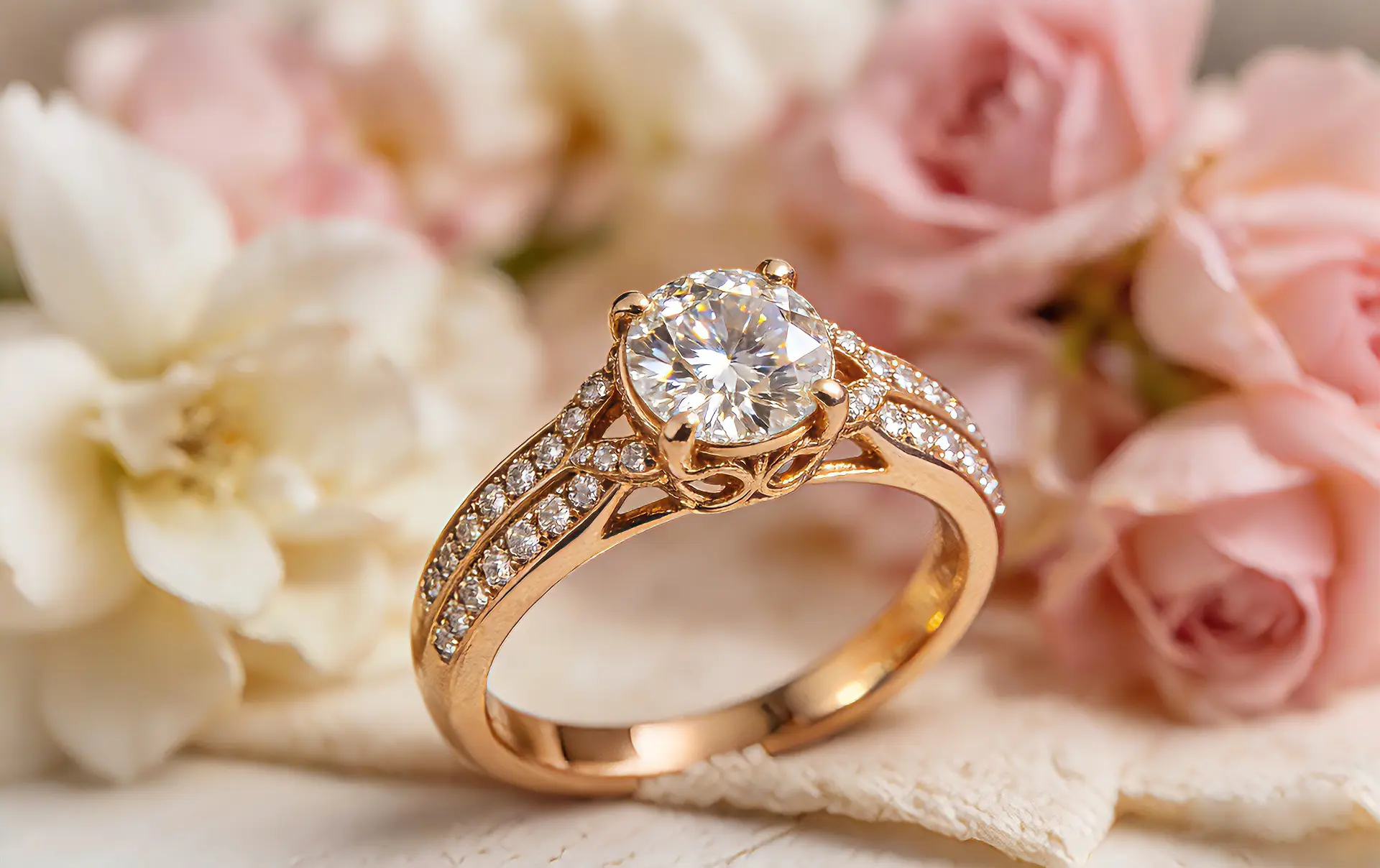
These aren't flashy or trendy. They're the rings your grandmother might have worn, updated with modern craftsmanship. The metalwork itself becomes part of the story.
When classic makes sense:
- Family expectations: If your partner has mentioned loving their mother's ring
- Formal work environments: Law, finance, corporate settings where traditional signals professionalism
- Sentimental value: Classic designs photograph well and age gracefully in family albums
The jeweler's secret: Classic settings often use more metal, which means more durability over decades. That pavé band isn't just sparkle—it's structural reinforcement.
Do this now: Ask your partner (casually) about the engagement rings they've noticed on friends or family. Write down three words they use. If you hear "elegant," "timeless," or "sophisticated," classic is your lane.
Step 3: Match the Ring to Your Proposal Plan
Here's something jewelers don't always mention upfront: your proposal style should influence your ring choice.
Simple vs classic engagement ring for surprise proposal—this combination trips up a lot of buyers. You want the moment to feel right, and the ring plays a bigger role than you'd think.
Simple rings for proposals:
- Easier to hide (smaller box, less bulk)
- Lower risk if you need to exchange later
- Photographs cleanly in candid proposal shots
- Works for outdoor, active, or travel proposals
Classic rings for proposals:
- Creates that "wow" moment when the box opens
- Matches formal proposal settings (restaurants, events)
- Feels substantial and significant in the moment
- Better for proposals where family is watching
The uncomfortable truth: If you're proposing somewhere remote or active—hiking, beach, abroad—simple is safer. You don't want to be worrying about prongs catching on equipment while you're down on one knee.
Do this now: Describe your proposal plan in one sentence. If that sentence includes "hiking," "beach," "airport," or "spontaneous," lean simple. If it includes "restaurant," "family present," or "photographer hired," consider classic.
Step 4: Think About Everyday Reality
The proposal lasts five minutes. The marriage lasts decades. Simple vs classic engagement ring for everyday wear—this is where the decision actually matters.
Grab a notebook. For three days, notice when your hands are busy:
- Typing eight hours at a computer
- Washing hands constantly (healthcare, food service)
- Lifting weights or rock climbing
- Cooking, cleaning, gardening
- Sleeping—do you take rings off?
Simple rings in daily life:
- Snag less on gloves, pockets, hair
- Easier to clean (fewer crevices for lotion buildup)
- Less likely to spin or shift on the finger
- Lower profile means fewer dings and scratches
Classic rings in daily life:
- More sparkle during video calls and handshakes
- Heavier feel that reminds you it's there
- Better at hiding small scratches (detailed metalwork camouflages wear)
- Conversation starter in social settings
The maintenance reality: Classic rings with pavé or side stones need professional cleaning twice yearly. Simple solitaires? You can handle basic maintenance at home with a soft brush and dish soap.
Do this now: Look at your dominant hand. Any calluses? Scars? Evidence of manual work? Your hands will tell you which ring style fits your actual life.
Step 5: Make the Final Call
You've done the research. You've considered the proposal, the daily wear, the style preferences. Now it's decision time.
Choose simple if:
- You value function over ornamentation
- Your partner lives in activewear more than formalwear
- The stone quality matters more than the setting details
- You want something that won't need updating in ten years
Choose classic if:
- Your partner has specifically admired detailed rings
- Family traditions matter in your relationship
- You want the ring to feel like an heirloom from day one
- The proposal setting calls for something substantial
The budget angle: Here's what the jewelry industry won't tell you—simple vs classic engagement rings often come down to where you want to spend. A simple setting frees up budget for a larger or higher-quality center stone. A classic setting means investing in craftsmanship and design.
Neither is wrong. Both can be beautiful. The right choice is the one that fits the person wearing it.
Do this now: Set a timer for two minutes. Write down the first three words that come to mind when you picture your partner's reaction. If those words are "happy," "comfortable," or "practical," go simple. If they're "surprised," "emotional," or "impressed," go classic.
The Bottom Line
You're not just buying a ring. You're buying peace of mind—for the proposal, for the everyday, for the decades ahead. The best engagement ring isn't the one that wins design awards. It's the one your partner reaches for every morning without thinking.
Whether you choose simple or classic, make the decision and move forward. The right ring is the one that gets you to "yes."
Ready to shop? Start with three jewelers. Compare the same stone in both simple and classic settings. Take photos. Sleep on it. Then buy the one that feels like your future.

