User
Your Orders
Account
Your Shopping Cart
Total Amount:
USD
0.00



2025-12-12
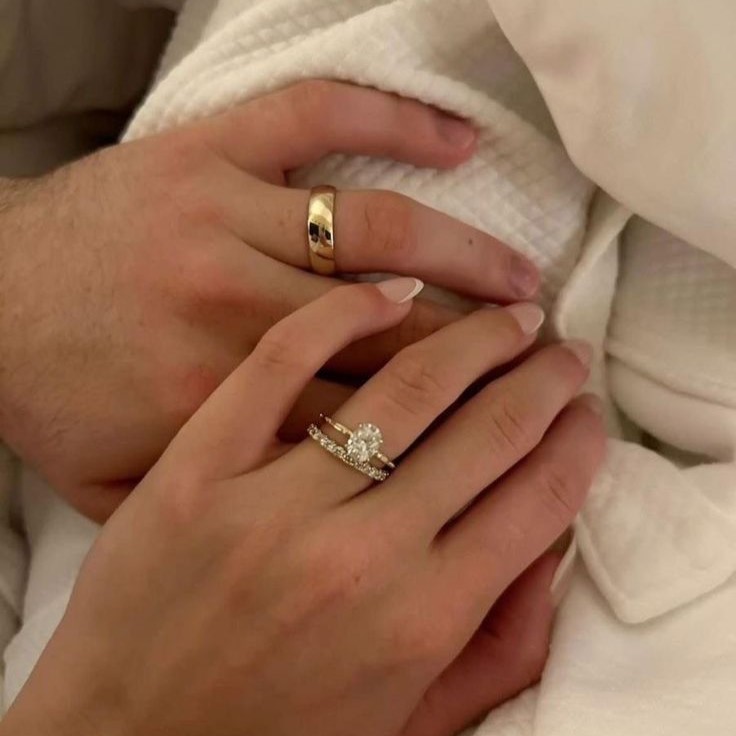
“A nature inspired engagement ring uses organic forms, floral motifs, vine‑like bands, leaf‑shaped prongs, or raw‑looking gemstones to mirror the beauty of the natural world.”
Why nature motifs feel inherently symbolic of eternal love
— growth,
—renewal,
—timelessness.
Brief mention of the growing consumer preference for rings that feel personal and meaningful, not just traditional.
1. What makes an engagement ring “nature inspired”?
A nature inspired engagement ring incorporates design elements drawn from the natural world — such as leaf, vine, floral, twig, and wave motifs — into its band, setting, or gemstone selection.
2. Are nature inspired engagement rings more expensive than traditional designs?
Not necessarily. Pricing depends more on the center stone, metal choice, and whether the design is custom‑made. Organic textures and botanical details can be achieved across all price points.
3. What gemstone works best for a nature inspired engagement ring?
Popular choices include moss agate, green sapphire, salt‑and‑pepper diamond, emerald, and moissanite. The best gemstone balances personal taste, everyday durability, and the organic aesthetic you want to achieve.
4. Can a nature inspired ring have a traditional diamond center stone?
Absolutely. A classic round brilliant or oval diamond set with leaf‑shaped prongs or a vine‑detailed band marries timeless elegance with organic romance.
5. Is a nature inspired engagement ring durable enough for everyday wear?
Yes, when designed properly. Choosing durable metals (platinum, 14K/18K gold) and gemstones with a Mohs hardness of 7.5+ ensures longevity. Intricate details may require slightly more care than a plain solitaire band.
6. What metal color best complements a botanical design?
Rose and yellow gold emphasize warmth and earthiness; white gold and platinum create a crisp contrast that makes leaf and floral details stand out.
7. Can I customize a nature inspired engagement ring on a budget?
Yes. Many jewelers offer modular customization — choose a nature‑inspired setting and pair it with a lab‑grown diamond or moissanite to achieve the organic look at a lower price point.
8. How do I match a wedding band to an asymmetrical nature ring?
A custom‑contoured or open band that follows your engagement ring’s curves is the most seamless solution. Some couples skip a traditional band altogether and let the engagement ring stand alone.