User
Your Orders
Account
Your Shopping Cart
Total Amount:
USD
0.00



2026-03-02
You want something that looks good, feels like nothing on your finger, and doesn't demand a second thought when you wash your hands, type a thousand emails, or wrestle a toddler into pajamas.
We're breaking down yellow gold, white gold, and rose gold by what actually matters: comfort, durability, and whether you'll forget you're wearing it.
Zero maintenance, never think about it Rose gold or yellow gold
A ring that disappears on your finger Rose gold (hardest, thinnest profile possible)
Maximum diamond sparkle White gold (neutral, no color reflection)
To wear it in the shower, pool, gym, bed Rose gold or 14K yellow gold
The most "me" ring that stands out softly Rose gold
One sentence summary: Rose gold is the most durable and lowest-maintenance. Yellow gold is the timeless classic. White gold delivers the brightest diamond look but demands upkeep. Now read on for the why.
Because the American workplace doesn't ban jewelry. Your ring isn't a special-occasion thing. It's part of your daily uniform — same as your watch, your leather sneakers, or that one perfectly worn-in denim jacket.
And here's something the jewelry industry doesn't love to admit: most rings aren't designed for real life.
They pinch. They catch on sweater threads. They make you unconsciously tap your ring against the desk while you type, wondering why something so small can be so annoying.
The good news? The metal you choose — yellow, white, or rose gold — determines about 80% of how comfortable and durable your ring will be. The other 20% is craftsmanship, and we'll touch on that too.
All gold rings are alloys. Pure 24K gold is too soft to hold a shape — it'd bend out of round in a week. So jewelers mix pure gold with other metals for strength. The mix is what creates the color.
Alloy: Pure gold + copper + silver (the same recipe for 4,000 years)
No plating, no coating, no tricks. What you see is what you get through and through.
14K (58.3% gold) is the sweet spot for daily wear — hard enough to last, warm enough to look like gold.
18K (75% gold) is richer in color but softer. Beautiful. Less practical if you work with your hands.
The vibe: Warm, traditional, unpretentious. Your grandfather's wedding band, reimagined for a guy who bikes to work.
Alloy: Pure gold + palladium, nickel, or silver to strip away the yellow
Almost always rhodium-plated — a microscopically thin layer of platinum-family metal applied on top to create that mirror-white finish.
Without rhodium, white gold looks... warm gray. Not silver. This matters.
The catch: Rhodium wears off. Every 12 to 18 months, your white gold ring needs a trip back to the jeweler for replating. $50–$130 per visit. If you're the kind of person who resents oil changes, this will annoy you.
The vibe: Clean, cool, contemporary. Popular with architects, UX designers, and anyone who wears a lot of black.
Alloy: Pure gold + copper (significantly more copper than yellow gold)
No plating. No coating. The color is baked into the metal forever.
That copper content makes rose gold substantially harder than yellow or white gold. We're talking 150–160 Vickers hardness vs. ~130 for yellow gold.
This is the metal that understands you don't have time for maintenance.
The vibe: Warm but fresh. Vintage-inspired but not costume-y. It's the ring equivalent of a perfectly worn-in leather jacket — soft, distinctive, and somehow both rugged and elegant.
Let's talk about the part most ring guides skip: what does this feel like at 3 PM on a Tuesday?
The Comfort Checklist
A curved inner profile — flat interior edges pinch and dig. Look for "comfort fit" or "dome profile" descriptions. The inside of the ring should be gently rounded, like a shallow dome.
Low wall height — thick ring walls catch on everything: pockets, backpack straps, your kid's hair, microfiber cloths. A well-made ring has walls low enough to slide under a glove without snagging.
The right metal weight — rose gold and yellow gold are denser than white gold alloys. You feel them. Some people love that — it's grounding. Others prefer the lighter feel of white gold.
How the Metals CompareRose gold wins on profile thinness. Because it's harder, jewelers can make rose gold rings with thinner, lower walls without sacrificing structural integrity. That translates directly to comfort — less metal against your skin, less ring catching on things.
Yellow gold (14K) is a close second. It's softer than rose gold, so the ring may need slightly thicker walls for the same durability. But 14K is still very comfortable for daily wear.
White gold requires the thickest walls of the three for equivalent strength. And the rhodium plating — that shiny outer layer — adds microscopic texture that can feel slightly different against the skin.
Real Talk: The "Typing Test"
This is the test that matters for anyone who works at a desk. Take a ring. Wear it for a full workday typing. Does it:
Click against the keyboard?
Leave a mark on your finger?
If yes, the ring profile is wrong — and the metal choice alone can't fix bad design. But starting with a dense, hard metal (rose gold) in a comfort-fit profile gives you the best chance of forgetting the ring is there.
That's the goal. Not "looks beautiful." Forgets it's there.
| White Gold | Rose Gold | ||
|---|---|---|---|
| Shower | ✅ Fine | ⚠️ Plating dulls faster | ✅ Fine |
| Swimming (Chlorine) | ✅ Fine | ⚠️ Chlorine accelerates plating wear | ✅ Fine |
| Gym / Weights | ✅ Fine (may scratch) | ⚠️ Plating scratches show quickly | ✅ Best (hardest) |
| Sleep | ✅ Fine | ✅ Fine | ✅ Fine |
| Hand Washing | ✅ Fine | ⚠️ Soap film affects plating sheen | ✅ Fine |
Rose gold is the only metal I'd confidently call "shower-proof." It doesn't plate, it doesn't tarnish, it doesn't care about soap or chlorine. The copper content makes it naturally antimicrobial, too — an overlooked bonus for something you never take off.
Yellow gold runs a close second. It won't tarnish, won't plate, won't fade. It will develop a soft patina over time — a subtle surface character that some people love and others polish away every few years.
White gold is the high-maintenance partner. Beautiful when fresh. But true to its nature, it asks for regular attention. If you're a "set it and forget it" person, factor replating into your decision.
Yellow Gold
Warm. Obvious. Unapologetically golden.
It pairs best with warm undertones in your skin — if veins on your wrist look greenish, yellow gold will glow on you. It also creates the strongest contrast with diamonds, making the stone pop against the warm band.
If you want a ring that announces "this is gold" without shouting, yellow gold is your metal.
White Gold
Subtle. Modern. Vanilla in the best way — it doesn't compete.
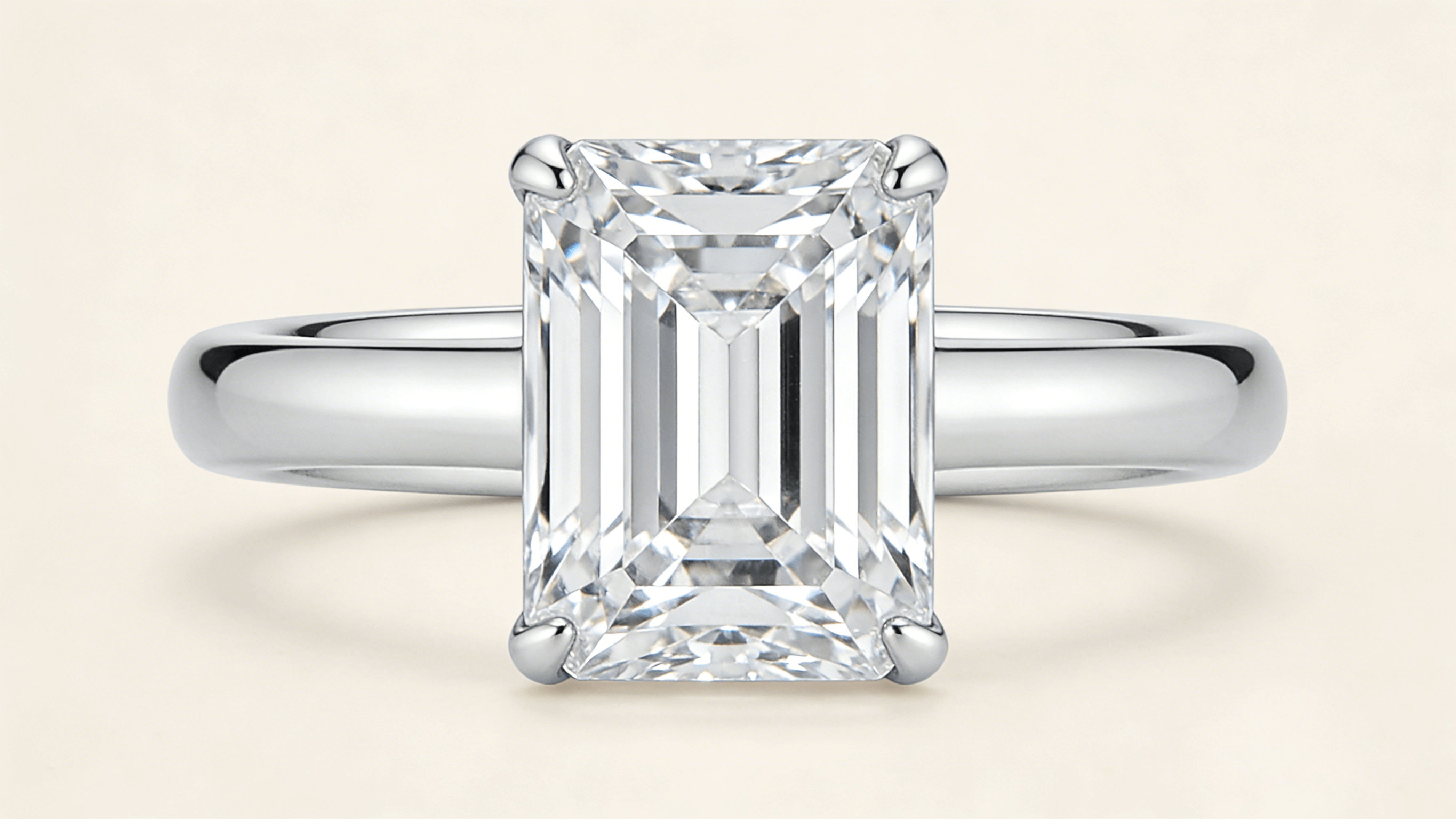
White gold lets the diamond or gemstone do all the talking. This is why it dominates the engagement ring market in America: it makes the center stone appear larger, brighter, and more colorless.
But here's the nuance: freshly plated white gold is almost indistinguishable from platinum. Worn white gold (plating thinned) develops a warm, slightly gray sheen. Both are beautiful. Just know that the look evolves.
Rose Gold
Warm but not yellow. Distinctive but not loud. It catches the light differently — softer, pinker, like the ring is lit from within.
Rose gold works on every skin tone, but it's especially flattering on warm and neutral undertones. It also pairs remarkably well with both diamonds (creates a romantic contrast) and colored gemstones.
The copper patina that develops over years is part of its charm. Rose gold "lives" with you — it darkens slightly, warms further, and tells a story.
---
Choose Yellow Gold If...
| Metal Type | Choose This If... | Best For Persona |
|---|---|---|
| Yellow Gold | You want a ring that stays looking the same for 50 yearsYou have warm skin undertonesYou prefer classic, timeless design over trendsYou don't want to think about maintenance — everYou want visible warmth on your finger | The Forever Buyer The person who buys one thing and keeps it forever. Your ring should age with you, not be replaced. |
| White Gold | Cool, silver tones are your aestheticYou want the brightest possible diamond lookYou have cool skin undertonesYou're okay with a maintenance check-in every 18 monthsYou want a "stealth" ring — subtle, professional, doesn't draw attention | The Modernist The person who wears monochrome and appreciates quiet precision. You don't need your ring to shout — you need it to be right. |
| Rose Gold | You want the most durable, lowest-maintenance option — periodYou want something that looks warm but not traditionalYou have warm or neutral skin undertonesYou never want to think about replating or tarnishingYou want a ring designed for real life: typing, parenting, cooking, sleeping | The 24/7 Wearer The person who wears their ring 24/7 and doesn't understand why jewelry should be delicate. You want one ring that does everything — and does it comfortably. |
The Final WordGold rings for daily wear aren't about status. They're about finding one piece that fits your life so perfectly you forget it's there — until someone notices it and says, "That's a beautiful ring."
Rose gold is the practical choice for the long haul.
Yellow gold is the classic that never goes out of style.
White gold is the modern option that asks for a little more care in return for its clean, cool aesthetic.
And the best ring? The one you put on in the morning and don't take off until you choose to — not because it bothers you.
Explore aureliavive collection to discover how the right design can transform your favorite metal into the perfect symbol of your story.
Sources: Juvetti Comparison Guide, GIA 4Cs Buying Guide, Brilliant Earth Metal Guide, Diamond Nexus Rose vs White Gold analysis, Do Amore Pros & Cons of Rose Gold. All links verified live as of publication date.
Yellow gold, white gold, and rose gold offer three distinct ways to express your style through an engagement ring or fine jewelry, but each comes with its own personality and care requirements. Yellow gold is the classic choice, offering a warm, traditional glow that develops character over time with minimal maintenance. White gold provides a sleek, modern look that perfectly mimics platinum’s aesthetic at a more accessible price, though it requires periodic re-plating to maintain its brilliance. Rose gold delivers romantic, vintage-inspired warmth with exceptional durability thanks to its copper content. The right choice depends on your personal style, skin tone, and how much maintenance you’re willing to embrace.
Choosing a ring—whether for an engagement, an anniversary, or a personal milestone—is a decision that blends emotion with aesthetics. At aureliavive, we believe the metal you choose is just as important as the stone it holds. It sets the foundation for your jewelry’s story.
For the modern American professional—whether you’re presenting in a boardroom, closing a deal, or simply enjoying a weekend away—your jewelry needs to balance personal expression with everyday practicality. Yellow, white, and rose gold each offer a unique way to achieve that balance. In this guide, we’ll break down the differences to help you decide which metal speaks to you.
Let’s start with the basics. Pure gold (24K) is naturally yellow and incredibly soft—too soft for the daily wear a ring endures. To make it durable, it’s alloyed with other metals like copper, silver, zinc, or palladium. This is what transforms it into the 14K or 18K gold used in fine jewelry. The type and proportion of these alloys determine not just the color, but also the durability and care needs of your ring .
Yellow, white, and rose gold represent different alloy recipes. Understanding these differences ensures that your choice isn't just about color, but about finding the perfect partner for your lifestyle.
Yellow gold is the original standard. Its rich, buttery hue is achieved by alloying pure gold with metals like silver and copper, which preserve its natural warmth . For the professional who appreciates heritage and understated elegance, yellow gold is a powerful choice. It doesn’t shout, but it resonates with confidence.
This metal is remarkably low-maintenance. Unlike white gold, it requires no plating, and its color is consistent throughout. Over time, it develops a soft patina that many find adds character and depth to the piece. It’s also incredibly versatile, looking especially striking against warmer skin tones .
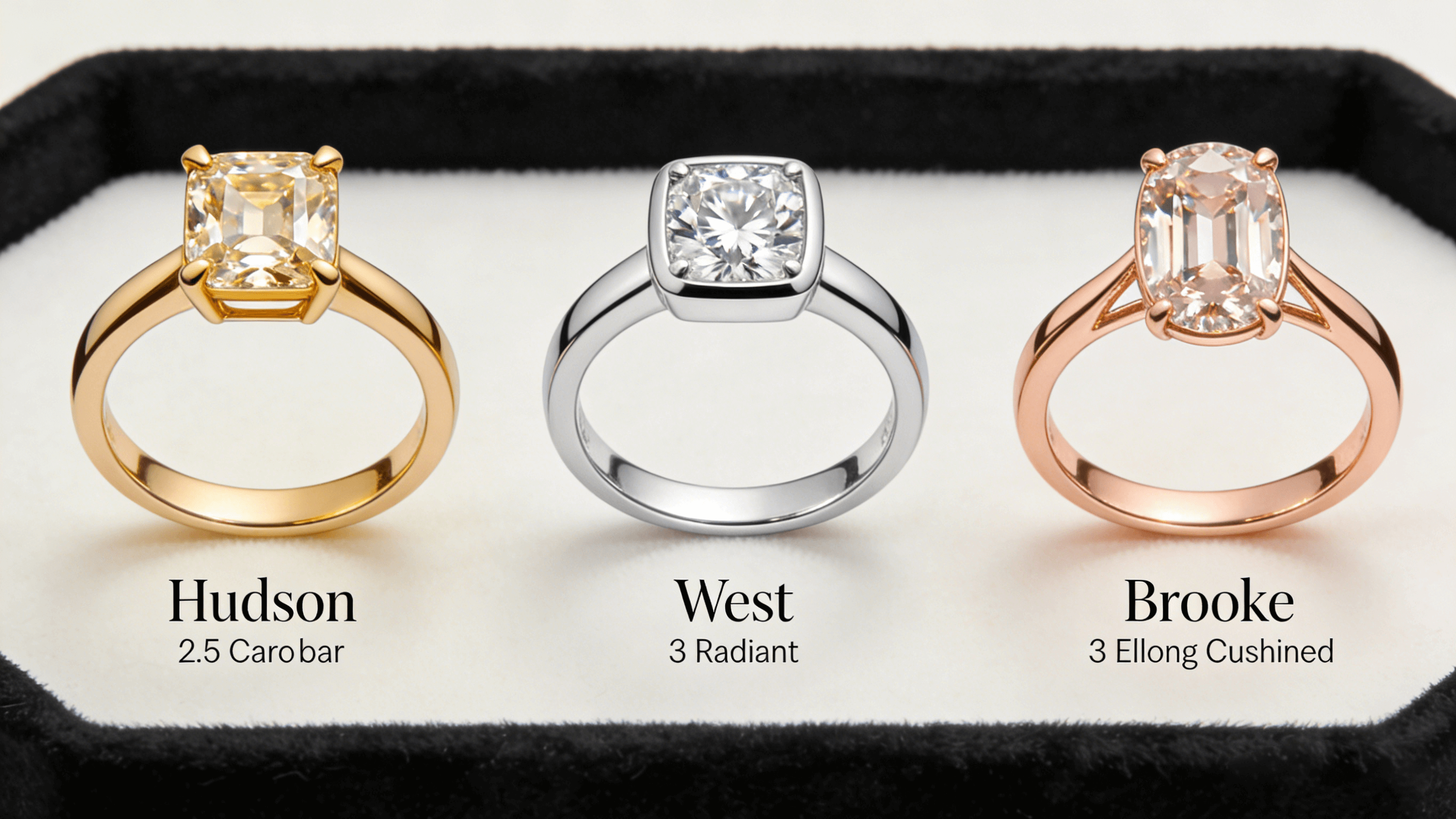
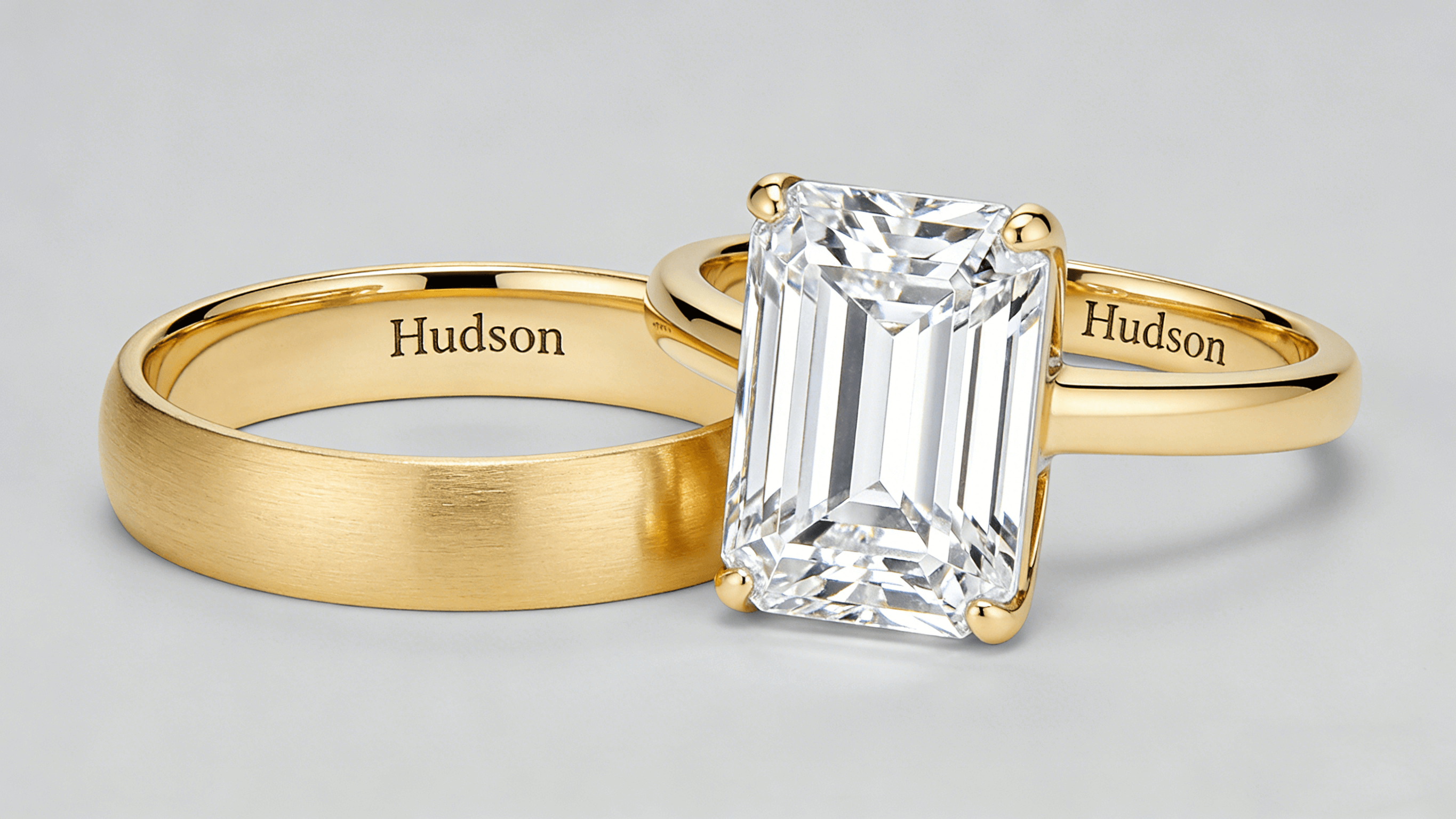
The "Hudson" is a quintessential example of how yellow gold elevates a design. This vintage-inspired ring features a sleek, polished band that allows the warm metal to frame the center stone beautifully. The clean lines of the setting are enhanced by the gold’s natural glow, creating a piece that feels both established and fresh.
If you’re drawn to the look of platinum but prefer a lighter feel and a more accessible price point, white gold is your metal. It starts as yellow gold but is alloyed with white metals like palladium or nickel and then plated with rhodium to achieve its brilliant, mirror-like finish . This is the metal for the modern minimalist who loves a sleek, cohesive look.
White gold’s superpower is its ability to make diamonds pop. The cool, bright surface reflects light back into the stone, enhancing its fire and brilliance . For the professional who values precision and a contemporary aesthetic, white gold is a natural fit.
The "West" is made for white gold. This popular pave engagement ring features a sleek band and a hidden halo that catches the light with every movement. The white metal acts as a canvas, ensuring the diamond’s sparkle takes center stage without any color distraction. It commands attention in a way that is both sophisticated and powerful.
Rose gold has seen a meteoric rise in popularity, and for good reason. Its warm, pinkish hue comes from being alloyed with copper. The higher the copper content, the deeper the blush . This metal is for the individual who wants their jewelry to tell a story of romance and individuality.
Beyond its beauty, rose gold is the workhorse of the group. Copper adds significant strength, making rose gold the most durable of the three . It’s resistant to scratching and requires no plating, making it an excellent choice for those with an active lifestyle who don't want to worry about daily maintenance. It’s also universally flattering, complementing a wide range of skin tones .
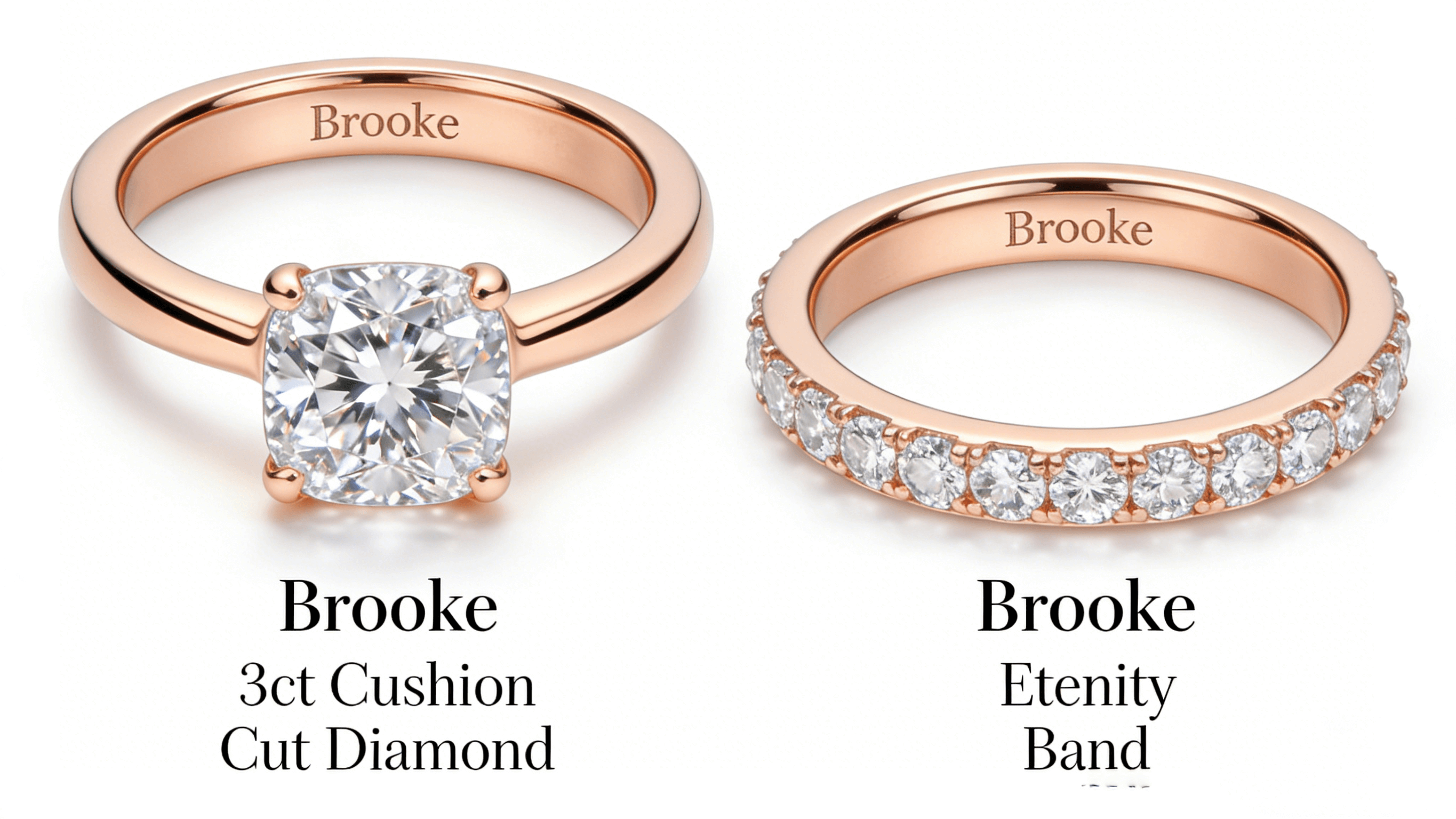
The "Brooke" , with its nature-inspired, twig-like band, finds its perfect match in rose gold. The metal’s soft, romantic hue enhances the organic details of the design, creating a piece that feels both delicate and strong. It’s a look that is as comfortable in a creative agency as it is at a weekend getaway.
There you have it: three distinct metals, each with its own personality and purpose.
All three are exceptional choices, and at aureliavive, we believe the "right" one is simply the one you can’t stop thinking about.
For the modern professional, the choice also comes down to a signal you want to send. As jewelry becomes the new symbol of personal success and identity—replacing the static assets of previous generations—your ring becomes a part of your daily uniform . It should feel authentic to you, whether that’s the heritage of yellow gold, the precision of white gold, or the quiet confidence of rose gold.
The right metal reveals itself when you stop overthinking the trends and start listening to your own style. When you find ‘the one,’ the next step is finding the perfect setting to bring it to life.